
Exploring the psychology behind casino design
The Influence of Color Schemes
Color plays a crucial role in influencing human emotions and behaviors, making it a vital element in casino design. Bright and vibrant colors like red, yellow, and orange are often used because they evoke excitement and energy. These colors can stimulate the brain, encouraging players to stay longer and engage more deeply with the games. For instance, the use of red can create a sense of urgency, prompting players to make quicker decisions, which is beneficial for MCW Casinos aiming to maximize playtime and betting frequency. This psychological manipulation of color can significantly affect the overall gaming experience, leading to increased revenue for the casino.
Moreover, color combinations can affect how people perceive time and space within the casino. Warmer colors can make a space feel more inviting and comfortable, whereas cooler tones might evoke a sense of calm. This balance is essential in keeping players relaxed yet focused on the gaming experience. Casinos often strategically place different colors throughout the venue to guide players from one area to another, subtly influencing their movements and encouraging them to explore more of the facility. For example, a warm palette in areas designated for relaxation can contrast sharply with the vibrant colors of gaming zones, effectively directing traffic while enhancing the ambiance.
The psychological effects of color are not just limited to aesthetics; they can also impact gambling behavior. Studies have shown that players are often more inclined to spend money in environments with vibrant colors compared to more muted settings. Consequently, many casinos continuously analyze color trends and adjust their designs to enhance player engagement and retention. This ongoing assessment ensures that the gaming environment remains dynamic and responsive to the evolving preferences of their clientele, ultimately leading to an enriched experience that promotes longer visits and increased spending.
The Role of Lighting
Lighting is another significant aspect of casino design that directly affects players’ psychological states. Casinos often employ a combination of bright lights and softer ambient lighting to create an alluring atmosphere. Bright lights spotlighting games and machines draw attention and encourage participation. Conversely, softer lighting in lounge areas can create a relaxed, inviting environment, encouraging patrons to unwind before or after gaming sessions. This duality in lighting not only enhances the visual appeal but also plays a critical role in shaping the overall experience of the casino.
Furthermore, not only does lighting serve to enhance the visual appeal, but it also manipulates time perception. Many players lose track of time in a well-lit casino, where the absence of windows and clocks contributes to a disoriented sense of time. Casinos use this technique to keep players engrossed in the games, leading them to engage for more extended periods without realizing how much time has passed. This dynamic helps casinos maximize revenue as players may continue to bet and play longer than they initially planned. The strategic modulation of lighting can thus be seen as a fundamental tactic in casino design.
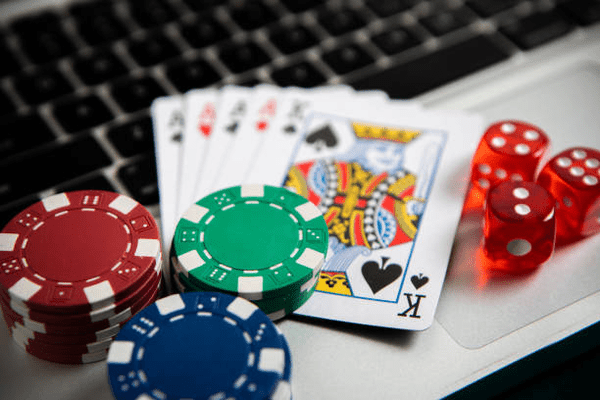
The strategic use of lighting extends beyond the gaming floor, influencing areas like restaurants and bars. By creating an intimate atmosphere with dim lighting in dining areas, casinos can encourage patrons to linger longer, enhancing their overall experience. This thoughtful application of lighting plays a critical role in shaping the casino’s ambiance, significantly impacting customer satisfaction and retention. The interplay of lighting throughout the establishment enhances the sense of immersion and encourages players to feel more comfortable, ultimately leading to a more enjoyable experience.
Spatial Layout and Flow
The spatial layout of a casino is meticulously crafted to influence player behavior and movement throughout the venue. By designing a layout that encourages exploration and interaction, casinos can increase the likelihood that players will encounter more gaming opportunities. Wide pathways and open spaces allow for easy navigation and accessibility, while the strategic placement of gaming machines and tables creates natural traffic flow that often leads players toward the high-stakes areas. This intentional design fosters a sense of discovery and excitement, as patrons are gently guided through the various offerings of the casino.
Moreover, the layout also impacts social dynamics among players. Grouping gaming tables together fosters a communal atmosphere, encouraging social interaction and competition among players. This camaraderie can enhance the overall gaming experience and encourage longer playtime as players engage with one another. Additionally, areas designated for high rollers are often secluded or elevated, providing a sense of exclusivity that appeals to elite players and invites them to stay longer. This strategic arrangement helps to balance the needs of different types of gamblers, ensuring that everyone feels catered to.
The casino’s design plays a significant role in creating a sense of immersion. The seamless integration of various entertainment offerings, such as live shows, bars, and restaurants, within the overall layout invites players to indulge in multiple activities. This holistic approach not only enhances the gaming experience but attracts a broader audience to the casino. By creating a vibrant social hub that extends beyond just gambling, the design encourages visitors to spend more time and money within the establishment, ultimately benefiting the casino’s overall profitability.
Aural Experience and Sound Design
The auditory experience within a casino is as carefully crafted as its visual and spatial elements. Background music, the sounds of spinning reels, and the occasional cheers of winning players contribute to an immersive environment that encourages participation. Upbeat music is often played to energize the atmosphere, enhancing excitement and prolonging the time spent on gaming machines and tables. The rhythmic sounds of chips clinking or coins dropping can trigger positive associations in players, reinforcing their desire to continue playing. This careful orchestration of sound creates a unique auditory landscape that captivates players.

Moreover, the psychological effects of sound design extend to the mechanisms of gambling itself. Sound cues can be strategically placed to signal wins, encouraging players to keep playing. These auditory signals create a reinforcement loop, associating the sounds with positive outcomes and excitement. Casinos understand that players are more likely to respond positively to uplifting sounds and emotions, prompting them to remain engaged and continue their gaming experience. This clever use of sound not only enhances the excitement but also creates a feedback mechanism that keeps players returning for more.
Interestingly, the volume and type of sound can also influence player behavior. Research indicates that louder environments might encourage faster decision-making, leading to quicker bets and more significant losses. As a result, many casinos balance sound levels to maintain an enthusiastic yet controlled ambiance, ensuring that players remain engaged without feeling overwhelmed. This delicate balance of sound ultimately enhances the overall casino experience, catering to various player preferences and encouraging longer engagement. The interplay of sound and gaming further solidifies the psychological tactics employed in casino design.
Creating a Compelling Online Experience
In the digital realm, the principles of casino design also extend to online platforms, where user experience is paramount. A well-designed website can draw users in with vibrant graphics and engaging content that mirrors the excitement of traditional casinos. Ensuring an intuitive layout allows players to navigate easily between games, promotions, and support resources, creating a seamless experience that mirrors the physical environment. The digital casino experience must engage users quickly to capture their interest and keep them exploring the various offerings available.
Moreover, the integration of sound and visual effects in online casinos helps replicate the immersive feeling of actual gaming floors. Using engaging animations and enticing soundtracks can evoke emotions similar to those experienced in brick-and-mortar establishments. This brings the thrill of gambling to the digital space, appealing to a broad audience and driving user retention and engagement. Effective use of technology can bridge the gap between physical and virtual gambling, creating a powerful online presence that resonates with users.
Ultimately, the design of an online casino is crucial not only for attracting new users but also for maintaining long-term engagement. Incorporating features such as loyalty programs, live dealer experiences, and mobile responsiveness can significantly enhance the overall experience for players. The website’s design reflects its identity and commitment to providing an enjoyable, immersive environment that keeps players coming back for more. This understanding of user psychology in online design is essential for building a thriving digital gaming community.