
Exploring the psychology of gambling in casinos
The Allure of Gambling: Understanding the Temptation
The psychology of gambling is deeply rooted in human emotions and desires, drawing individuals into the captivating ambiance of casinos. One of the primary attractions is the thrill of risk-taking; many people are naturally inclined to seek excitement and challenge. The pulsating lights, engaging sounds, and the potential for immediate rewards create a sensory overload that can intoxicate the senses, leading to impulsive behavior. This environment often invokes a sense of euphoria, as players immerse themselves in the gaming experience, especially while enjoying a great time at casino online and momentarily forgetting their everyday worries.
Moreover, the environment within casinos is meticulously crafted to foster a feeling of comfort and safety. From plush seating to complimentary beverages, everything is designed to keep players engaged and prolong their stay. This sense of belonging can be powerful; individuals often seek social interaction and camaraderie among fellow gamblers, which creates a communal atmosphere. Peer influence plays a significant role in encouraging individuals to participate, reinforcing the notion that gambling is a shared experience rather than a solitary endeavor.
Additionally, the concept of ‘near misses’ plays a crucial role in enhancing the thrill of gambling. When players come close to winning, their brain releases dopamine, the neurotransmitter linked to pleasure and reward. This response can lead to repeated attempts, as individuals believe they are on the cusp of a victory. The combination of sensory stimulation and psychological reinforcement ultimately fuels a cycle of gambling behavior that can be hard to break, making the allure of casinos even more potent.
The Role of Cognitive Biases in Gambling Behavior
Cognitive biases are systematic patterns of deviation from norm or rationality in judgment, and they play a significant role in gambling. One such bias is the illusion of control, where individuals believe they have the ability to influence the outcome of random events. Players may think that their skills in games like blackjack or poker can turn the odds in their favor, leading them to gamble more frequently. This misunderstanding fuels the perception that they are more successful than they truly are, creating a false sense of confidence that can be dangerously misleading.
The gambler’s fallacy is another common cognitive bias in gambling psychology. This fallacy leads individuals to believe that past events can predict future outcomes, such as assuming that a particular slot machine is ‘due’ for a win after a series of losses. This flawed reasoning keeps players engaged, as they try to outsmart chance by betting on outcomes they believe are inevitable. The persistence of these cognitive biases exemplifies how our perceptions can skew the reality of gambling odds, leading to continued play and increased financial risk.
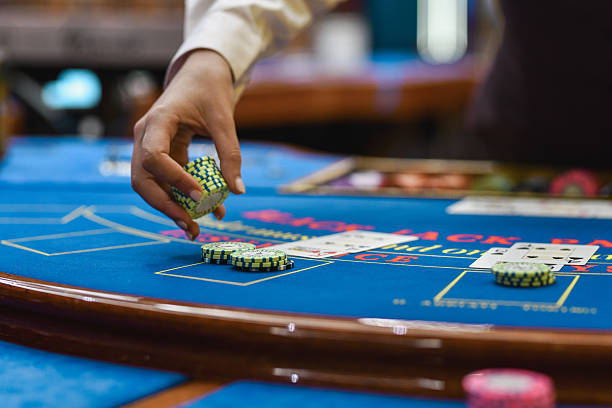
Another relevant aspect of cognitive biases is overconfidence, which can prompt gamblers to take unreasonable risks. When individuals win, they often attribute that success to their own skill rather than chance, reinforcing their belief in their gambling ability. This mindset can spiral out of control, fostering a dependency on gambling as a source of income or validation. The interplay between cognitive biases and gambling behavior illustrates the complex psychological mechanisms that keep players returning to casinos, even when faced with significant losses.
The Impact of Emotions on Gambling Decisions
Emotions play a pivotal role in influencing gambling decisions. Many gamblers start gambling to escape negative feelings or to cope with stress, seeking relief from anxiety, depression, or loneliness. The immediate high that accompanies a win can provide temporary emotional relief, reinforcing the behavior even in the face of potential long-term consequences. This cycle demonstrates how gambling can become a misguided coping mechanism, entangling individuals in a web of emotional dependency that is challenging to escape.
Conversely, positive emotions can escalate gambling behaviors, as players chase the excitement of winning. The thrill of hitting a jackpot or making a winning bet triggers a flood of positive feelings, further motivating players to gamble. However, these emotions can cloud judgment, leading individuals to gamble beyond their means. For instance, someone may feel invincible after a string of successful bets, taking greater risks that can result in devastating losses, showcasing how highs can lead to lows in gambling.
Furthermore, the role of social emotions, such as peer pressure and the desire for approval, can significantly impact gambling behavior. In a casino setting, individuals may feel compelled to participate in gambling activities to fit in with friends or to emulate the behavior of those around them. This social dynamic can create an environment where personal limits are disregarded, resulting in reckless gambling that individuals may not engage in when alone. Understanding the emotional aspects of gambling is essential in addressing the psychological factors that contribute to gambling behaviors.
Gambling Addiction: Signs and Consequences
Gambling addiction, often classified as a behavioral addiction, can lead to severe consequences for individuals and their loved ones. One of the most striking signs is the inability to control gambling impulses, with individuals often attempting to gamble larger amounts to chase losses. This compulsion to gamble can escalate as initial small bets grow into substantial financial risks, ultimately leading to significant personal and financial distress. Families and relationships often suffer as the addicted individual prioritizes gambling over obligations and responsibilities, leading to a breakdown of trust and communication.
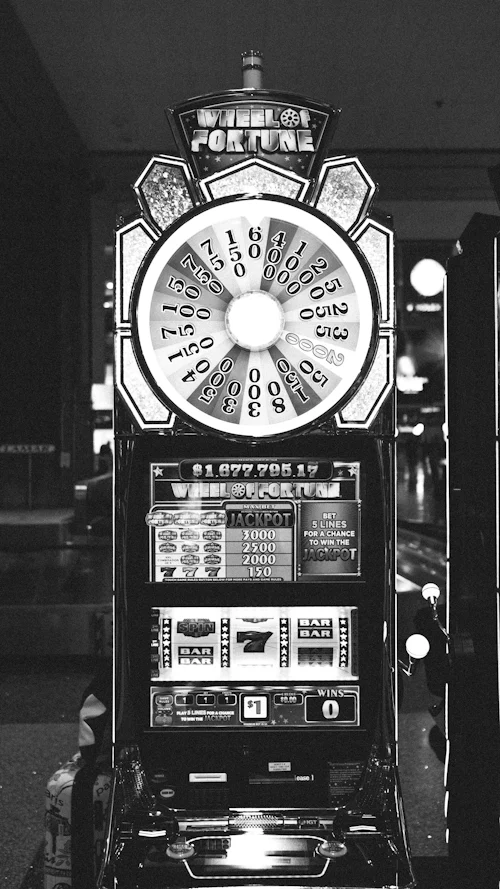
Another critical indicator of gambling addiction is the preoccupation with gambling-related thoughts. Individuals may find themselves obsessing over past games, planning future bets, or even lying about their gambling activities to friends and family. This fixation can consume their daily lives, leading to isolation, anxiety, and depression. The stigma associated with gambling problems often prevents individuals from seeking help, perpetuating a cycle of secrecy and denial that can be hard to break without support.
The financial consequences of gambling addiction can be devastating, leading to significant losses, debt, and even bankruptcy. Many individuals resort to desperate measures, such as borrowing money or engaging in illegal activities to fund their gambling habits. This can result in legal problems or destructive behavior that further alienates them from friends and family. Recognizing the signs of gambling addiction is crucial for timely intervention, allowing individuals to seek the help and support they need to break free from the cycle of compulsive gambling.
Understanding the Resources for Help and Recovery
For individuals grappling with gambling addiction, various resources are available to facilitate recovery. Professional counseling can be a pivotal first step, providing individuals with tailored strategies to understand their addiction and develop healthier coping mechanisms. Cognitive-behavioral therapy is particularly effective, targeting the cognitive distortions that contribute to gambling behaviors and helping individuals reframe their thoughts and beliefs about gambling. This therapeutic approach empowers individuals to take control of their urges and make informed decisions.
Support groups also play a crucial role in the recovery process, offering a community of understanding and encouragement. Organizations such as Gamblers Anonymous provide a platform for individuals to share their experiences, struggles, and successes in overcoming gambling addiction. This sense of solidarity can be incredibly empowering, allowing individuals to feel less isolated as they navigate their recovery journey. Sharing in a communal setting can help reduce feelings of shame and foster accountability.
Moreover, many casinos and gaming establishments are increasingly recognizing the importance of responsible gaming initiatives. They implement programs aimed at educating players about the risks associated with gambling, offering self-exclusion options, and providing resources for seeking help. As awareness of gambling addiction grows, it is essential for both individuals and casinos to foster a supportive environment that promotes healthier gambling behaviors and aids in recovery efforts. The mutual responsibility between establishments and patrons can lead to a more sustainable and enjoyable gaming experience.